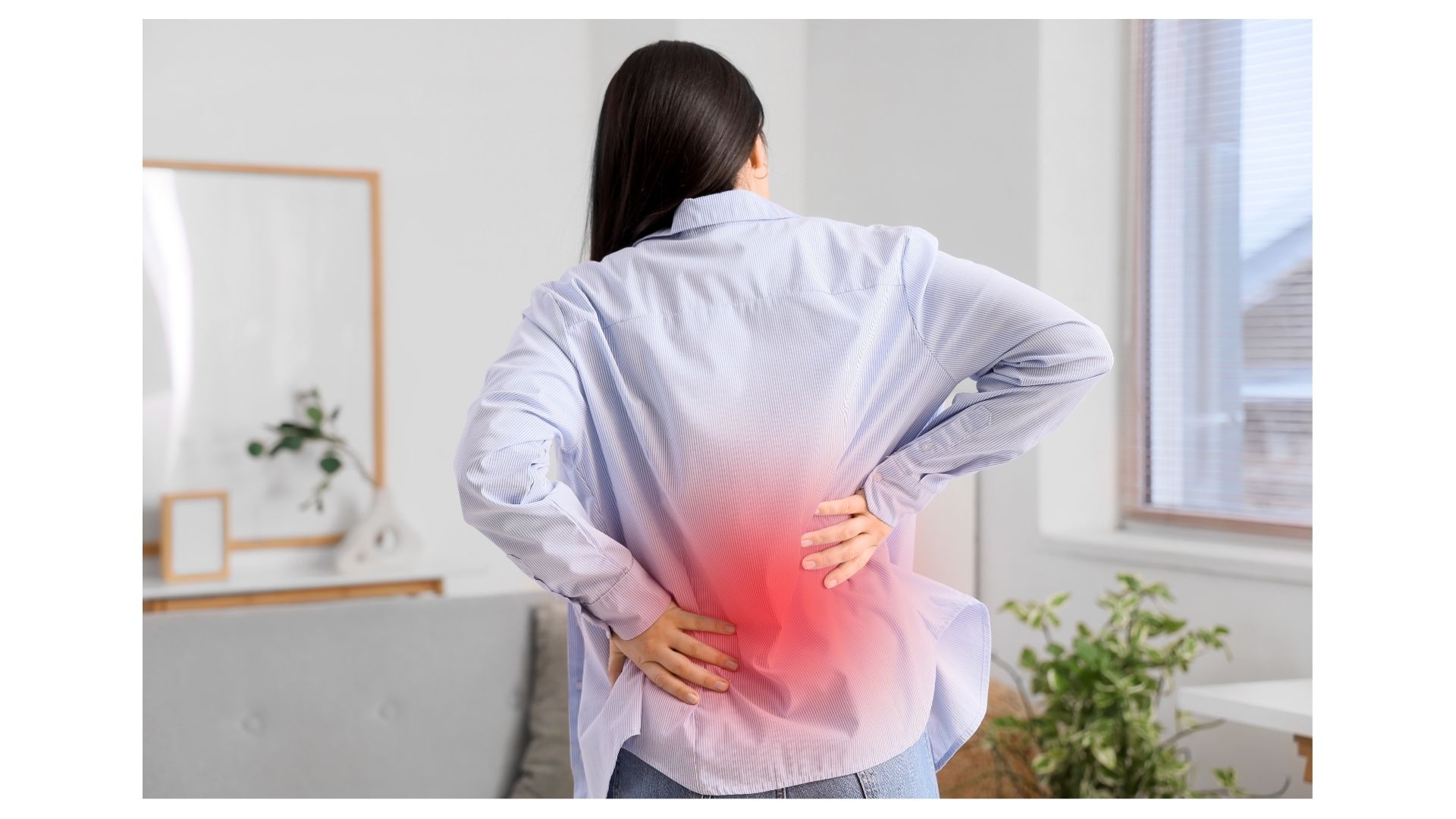
Hip and pelvis pain is one of those conditions that tends to accumulate slowly — a dull ache in the buttock that you attribute to sitting too long, a stiffness in the groin after a long walk, a lower back that flares up every time you spend a day on your feet. By the time most Springdale patients seek care, they've been managing the discomfort for months, often without a clear explanation of what's actually causing it.
That lack of explanation is itself part of the problem. Hip and pelvic pain has multiple potential sources — the hip joint itself, the sacroiliac joints, the surrounding musculature, the lumbar spine, or some combination of all of these — and they produce overlapping symptoms that can be genuinely difficult to sort out without a thorough clinical assessment. Treating the wrong structure leads to incomplete relief and frustrated patients.
At Stinson Chiropractic of Springdale, Dr. Andrew Stinson begins where the problem actually is: a detailed evaluation that identifies the structural and mechanical contributors to each patient's hip and pelvic pain, followed by a personalized care plan built around those specific findings. For patients throughout Springdale, Tontitown, Elm Springs, Fayetteville, Rogers, and Bentonville, this is often the first time their hip or pelvis has been properly assessed.
The Hip-Pelvis-Spine Connection
Understanding why hip and pelvic pain is so often intertwined with lower back complaints requires understanding the anatomy of the region. The pelvis is not just the structural home of the hip joints — it's the mechanical link between the spine above and the lower extremity below. Every force that travels up through the legs during walking, running, or climbing stairs passes through the pelvis on its way to the spine. Every load that descends from the upper body passes through the pelvis on its way to the legs.
This central position means that when anything goes wrong in the pelvic region — misalignment of the sacroiliac joints, asymmetry in the iliac bones, restricted hip mobility — the consequences radiate both upward and downward. The lower back compensates for pelvic instability. The hip compensates for lumbar restriction. The knee compensates for altered hip mechanics. Pain appears at the point of greatest stress, which may or may not be the point of original dysfunction.
For Springdale patients who present with lower back pain and hip pain simultaneously — or whose lower back pain has never fully resolved despite lumbar treatment — the pelvis is often where the missing piece of the picture lies.
Sacroiliac Joint Dysfunction
The
sacroiliac joint — where the sacrum meets the iliac bone of the pelvis on each side — is one of the most common and most frequently misdiagnosed sources of hip and
lower back pain in adults. The SI joint transmits the full weight of the upper body to the pelvis and bears enormous compressive and shear forces during everyday movement.
When the SI joint becomes misaligned, inflamed, or hypermobile, the pain it produces is felt in a characteristic pattern: at or just below the posterior iliac spine (the dimple at the base of the spine), radiating into the buttock, outer hip, and sometimes down the thigh. This pattern closely resembles sciatica and is frequently mistaken for it — particularly when standard lumbar MRI shows disc findings that get blamed for symptoms actually originating at the SI joint.
Specific SI joint provocation tests — the FABER test, Gaenslen's test, the compression and distraction tests — are far more reliable for identifying SI joint dysfunction than imaging alone, and they're a standard part of Dr. Stinson's pelvic assessment for Springdale patients.
SI joint dysfunction responds exceptionally well to specific chiropractic adjustments that restore proper joint mechanics, combined with soft tissue work and stabilization exercises that address the muscular contributors to joint instability.
Hip Bursitis
Bursae are fluid-filled sacs that reduce friction where tendons and muscles pass over bony prominences. The trochanteric bursa, located on the outer aspect of the hip, is one of the most commonly inflamed bursae in the body — producing the lateral hip pain that's characteristically worse with lying on the affected side, climbing stairs, and prolonged walking.
Trochanteric bursitis in Springdale patients is almost always associated with the same mechanical factors: a weak gluteus medius, a tight iliotibial band, and altered hip and pelvic mechanics that increase the compressive load on the bursa during activity. Treating only the inflamed bursa — with anti-inflammatories or cortisone injection — without addressing these mechanical contributors leads to reliable recurrence.
Dr. Stinson's approach to hip bursitis combines manual therapy and soft tissue work to address the tight IT band and TFL, chiropractic adjustments to restore pelvic alignment, and targeted rehabilitation to rebuild the gluteal strength that reduces bursal compression during movement.
Muscle Imbalances and Pelvic Asymmetry
The muscles of the hip and pelvis — the gluteals, hip flexors, piriformis, adductors, and pelvic floor — work in coordinated patterns that depend on balanced strength and appropriate length on both sides of the joint. When these muscles become imbalanced — as they reliably do with prolonged sitting, asymmetrical sport and work activities, and the postural patterns of modern life — pelvic alignment suffers.
Chronically tight hip flexors pull the pelvis into anterior tilt, increasing lumbar lordosis and compressing the posterior lumbar joints. A tight piriformis on one side creates asymmetrical sacral mechanics that load the SI joint unevenly. Inhibited gluteus medius allows the femur to rotate inward during weight-bearing, altering the mechanics of both the hip and the knee.
For Springdale patients whose hip or pelvic pain has a significant muscular component — which is most of them — addressing these imbalances through soft tissue therapy and corrective exercise is essential for lasting relief.
Hip Osteoarthritis
Hip osteoarthritis — the progressive loss of articular cartilage in the hip joint — is one of the most common musculoskeletal conditions in adults over 50, and one of the most significant sources of hip pain among older patients throughout Northwest Arkansas. While the degenerative changes of
osteoarthritis are not reversible, the functional consequences — pain, stiffness, reduced range of motion, and the activity limitations that result — are highly responsive to conservative chiropractic care.
Maintaining joint mobility through manual therapy and gentle mobilization, combined with rehabilitation that preserves the muscular support around the hip, can significantly extend the period during which Springdale patients with hip osteoarthritis can live actively and comfortably — and in many cases delay or avoid joint replacement surgery.
Piriformis Syndrome
The piriformis muscle runs from the sacrum to the outer hip and, in a significant percentage of the population, passes in proximity to or directly through the sciatic nerve. When the piriformis becomes chronically tight or hypertrophied — often as a compensation for gluteal weakness or sacral misalignment — it can compress the sciatic nerve and produce symptoms that closely mimic
lumbar disc sciatica: buttock pain, radiating leg pain, and sometimes numbness or tingling.
Piriformis syndrome is frequently missed because it's not visible on standard lumbar imaging, and patients with negative lumbar MRI findings who still have sciatic-pattern symptoms often have piriformis involvement that hasn't been evaluated. Specific soft tissue therapy to the piriformis, combined with sacral and SI joint adjustment, typically produces rapid improvement.
The Stinson Chiropractic Approach to Hip and Pelvic Pain
When a Springdale patient presents with hip or pelvic pain, Dr. Stinson's assessment goes beyond the location of the symptoms to identify the structural and mechanical contributors. Postural evaluation, gait observation, SI joint provocation testing, hip range of motion assessment, and spinal and pelvic alignment examination together provide a complete picture of what's driving the pain.
From that picture, Dr. Stinson builds a personalized care plan — one that's genuinely specific to the patient's presentation rather than a standard hip pain protocol. For most Springdale hip and pelvic patients, care integrates several components:
Specific chiropractic adjustments targeting the sacroiliac joints, lumbar spine, and hip to restore proper alignment and mechanics throughout the lumbopelvic region.
Manual therapy and soft tissue work to address the muscular contributors — releasing tight hip flexors, piriformis, IT band, and TFL, and restoring normal tissue quality to the structures that have been overloaded by mechanical dysfunction.
Targeted rehabilitation to rebuild the muscular support that prevents recurrence — specifically gluteal strengthening, hip abductor work, and core stabilization that restores dynamic stability to the pelvis.
Postural and ergonomic guidance for Springdale and NWA patients whose daily activities — prolonged sitting, asymmetrical work tasks, or sport-specific demands — are contributing to the mechanical patterns driving their pain.
The goal is not just relief during the course of care, but structural and muscular restoration that means the problem is less likely to return.
Lasting Hip and Pelvis Relief in Springdale
If you've been dealing with hip or pelvic pain in
Springdale and haven't found lasting relief, the missing piece is most likely a thorough assessment that identifies the actual structural source of your symptoms — and a care plan that addresses it directly. You can also explore our related guides on
foot and ankle pain and
knee pain, or
contact our office with any questions.
Stinson Chiropractic of Springdale is accepting new patients, with same-day appointments often available. Dr. Andrew Stinson accepts most major insurance plans — call to confirm your coverage — and serves patients from Springdale, Tontitown, Elm Springs, Fayetteville, Rogers, Bentonville, and throughout Northwest Arkansas.
Call today:
(479) 396-5117
📍 1071 Har-Ber Lakes Dr #2, Springdale, AR 72762
🌐 stinsonchiro.com

 Translate