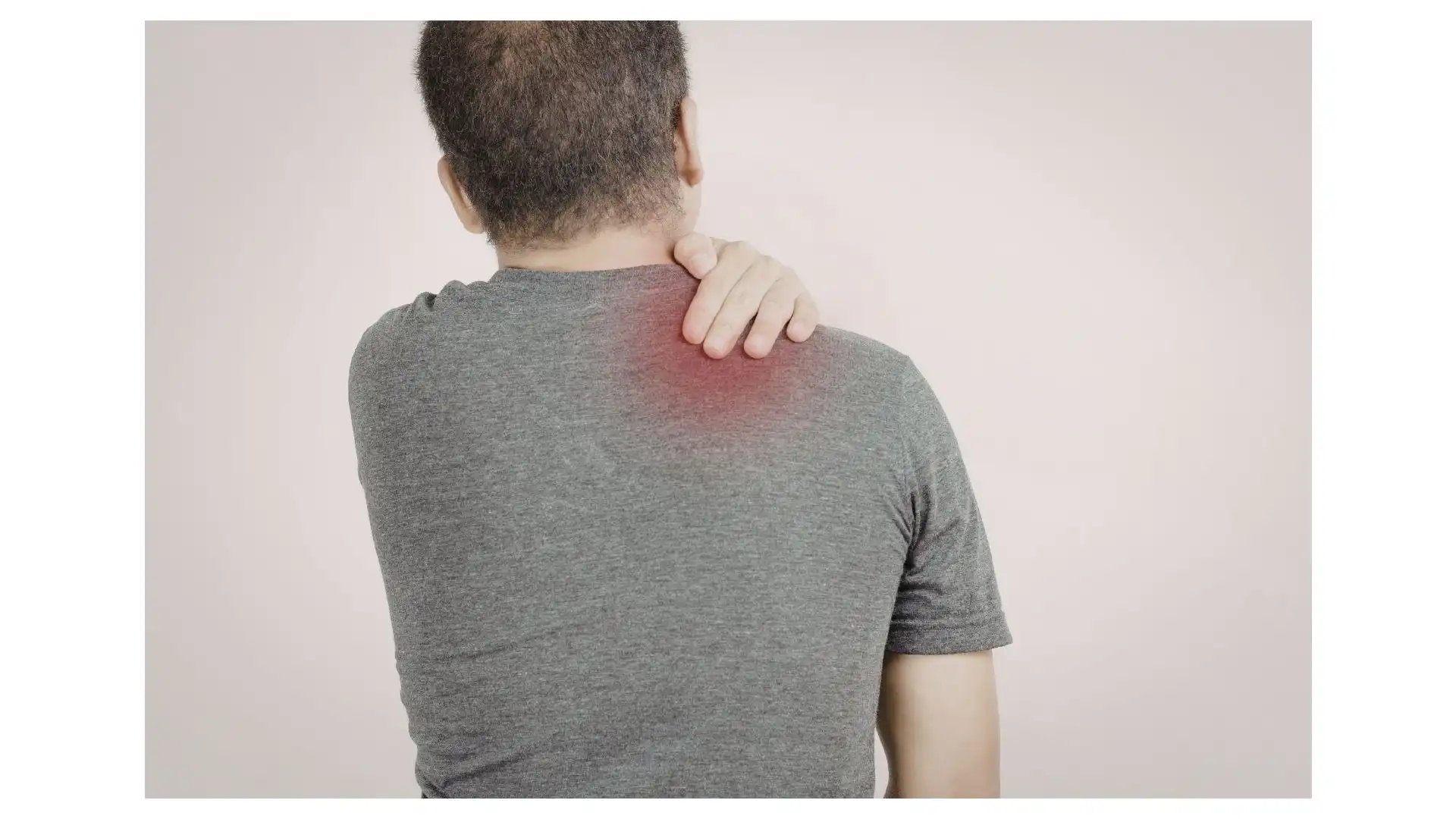
Understanding what's driving your symptoms is the first step toward addressing them effectively. The most frequent causes Dr. Stinson sees in his Springdale practice include:
Rotator Cuff Strain and Dysfunction
The rotator cuff is a group of four muscles and their tendons that surround the shoulder joint, providing stability and enabling rotation. Strain, micro-tears, and tendinopathy in the
rotator cuff are extremely common, and they're often aggravated by thoracic and cervical dysfunction that alters shoulder mechanics. Chiropractic care that addresses the thoracic and cervical spine — combined with targeted soft tissue work for
sports-related shoulder injuries — can significantly improve shoulder function and reduce chronic irritation.
Thoracic Tension and Joint Restriction
The thoracic spine is naturally less mobile than the cervical or lumbar spine, and it's prone to developing joint restrictions that create characteristic mid-back stiffness and aching. Restricted thoracic joints limit shoulder mobility, overload the muscles of the upper back, and contribute to postural patterns that perpetuate upper body pain. Thoracic adjustments that restore normal joint mobility can produce rapid and significant relief.
Poor Posture and Forward Head Position
For residents of Springdale and throughout Northwest Arkansas who spend significant time at desks, in vehicles, or looking at screens, forward head posture and rounded shoulder posture are among the most significant contributors to chronic upper body pain. When the head shifts forward, the muscles of the upper back and neck must work significantly harder to support it. This postural pattern is self-reinforcing — the longer it persists, the harder it becomes to correct without structured intervention.
Cervical Dysfunction and Referred Pain
The cervical spine is the origin point for the nerves that supply the shoulder and upper arm. Misalignments or disc issues in the lower cervical spine can create referred pain, weakness, or altered sensation that presents as shoulder pain even when the shoulder joint itself is not the primary problem — a pattern often seen alongside chronic
neck pain. A comprehensive assessment that includes the cervical spine, thoracic spine, and shoulder girdle together is essential for finding the actual source of symptoms. The
NIH outlines how spinal dysfunction can contribute to upper body pain syndromes.
Muscle Imbalances and Scapular Dyskinesis
The scapula is the platform from which shoulder movement is organized. When muscles become imbalanced — typically with some chronically tight and others chronically weak — scapular mechanics break down, shoulder impingement becomes more likely, and upper back pain follows.

 Translate