Stinson Chiropractic Logo
    Back to all posts

    Scoliosis Management in Springdale: Chiropractic Support for Spinal Curves

    Scoliosis Management in Springdale: Chiropractic Support for Spinal Curves

    A scoliosis diagnosis — whether it's your child's or your own — raises an immediate and understandable question: what do we do now? The conventional answer often feels like a waiting game. Watch it. Monitor the curve. Come back in six months. Brace if it progresses. Consider surgery if it progresses further. For families in Springdale and throughout Northwest Arkansas, that passive approach can feel deeply unsatisfying — particularly when the person living with scoliosis is dealing with pain, postural concerns, or anxiety about what the future holds for their spine. Chiropractic care doesn't reverse scoliosis. It's important to say that clearly and honestly. But what it can do — for children, teenagers, and adults throughout Springdale, Tontitown, Fayetteville, Rogers, Bentonville, and Elm Springs — is meaningful: reduce pain, improve spinal mobility, support better posture and muscle balance, and contribute to a management approach that actively supports the spine rather than simply watching it. At Stinson Chiropractic of Springdale, Dr. Andrew Stinson works with scoliosis patients of all ages as part of a personalized, proactive approach to spinal health — one that works alongside other medical providers rather than in isolation.

    Understanding Scoliosis: What It Is and What It Isn't

    Scoliosis is a lateral curvature of the spine — a curve that, when viewed from behind, deviates from the straight vertical line a healthy spine should follow. Curves are measured in degrees using the Cobb angle, and the severity of scoliosis is generally classified as mild (under 20 degrees), moderate (20 to 40 degrees), or severe (over 40 degrees). Learn more about postural issues and scoliosis and how they're evaluated in our office. The most common form is adolescent idiopathic scoliosis — idiopathic meaning the cause is unknown — which typically presents during the growth spurt of early adolescence and affects girls more frequently than boys. But scoliosis also occurs in younger children (infantile and juvenile idiopathic scoliosis), in adults as a result of degenerative changes (degenerative scoliosis), and in people with certain neurological or connective tissue conditions (neuromuscular or syndromic scoliosis). What scoliosis is not, in most cases, is an immediate emergency. The majority of curves are mild and can be managed conservatively for many years or indefinitely. The concern with scoliosis — particularly in growing children — is progression: the risk that the curve will worsen over time, particularly during periods of rapid growth. For Springdale families navigating a new diagnosis, the goal of chiropractic care fits within this context: not to cure the curve, but to actively support the spine, reduce the functional consequences of the curvature, and contribute to a management plan that addresses the whole person.

    What Chiropractic Care Can Do for Scoliosis

    Pain Management and Comfort Pain is not always present in scoliosis — particularly in children and adolescents with mild to moderate curves — but it is extremely common, particularly in adults with degenerative scoliosis and in patients whose curves affect the mechanics of the ribs, hips, or surrounding musculature. The pain associated with scoliosis is often related to the asymmetrical loading the curved spine places on joints, discs, and muscles. On the concave side of a curve, joints are compressed; on the convex side, muscles are stretched and overloaded. This chronic asymmetry creates patterns of tension, inflammation, and joint irritation that chiropractic adjustments can directly address. For Springdale scoliosis patients experiencing back pain, hip pain, rib discomfort, or the muscle fatigue that comes with maintaining posture against a curved spine, regular chiropractic care can provide meaningful relief — not by changing the curve, but by improving the function of the joints and tissues working within it. Additional information on adult scoliosis is available from the National Institute of Arthritis and Musculoskeletal and Skin Diseases. Spinal Mobility and Joint Function Scoliosis affects not just the shape of the spine but its movement. Spinal joints on the concave side of a curve can develop restriction and stiffness as they're compressed together over time. These restrictions reduce overall spinal mobility and can contribute to accelerated degenerative changes in the affected segments. Chiropractic adjustments that restore mobility to restricted spinal joints — using techniques appropriate for the scoliotic spine — help maintain better overall function and reduce the mechanical consequences of the curvature. For adults with degenerative scoliosis in Springdale and throughout Northwest Arkansas, maintaining joint mobility is directly related to maintaining quality of life and independent function. Muscle Balance and Postural Support The muscles on either side of a scoliotic curve are chronically asymmetrical — some shortened and tight, others lengthened and weak. This muscular imbalance both results from the curve and contributes to it, and it's a significant source of the postural distortion and discomfort that scoliosis patients experience. Soft tissue therapy that addresses the chronically tight muscles on the concave side, combined with rehabilitative exercises that strengthen the underactivated muscles on the convex side, can improve muscular balance and support better postural alignment. Dr. Stinson incorporates this muscle balance work into scoliosis care plans for Springdale patients — recognizing that the muscles are as important a part of the picture as the spinal joints themselves. Nervous System Function Scoliosis affects the spine — and the spine is the protective structure for the spinal cord and the exit point for every nerve root that supplies the body. Depending on the location and severity of the curve, scoliosis can create areas of nerve irritation that contribute to referred pain, altered sensation, or other neurological symptoms. Chiropractic care that addresses segmental dysfunction along the scoliotic curve supports better nerve function in the affected regions, which can have downstream effects on the symptoms that scoliosis patients experience beyond just back pain.
    Chiropractic Care for Scoliosis at Different Life Stages

    Children and Adolescents in Springdale and NWA For young patients in Springdale, Fayetteville, Rogers, and Bentonville who have recently been diagnosed with adolescent idiopathic scoliosis, the period between diagnosis and active medical intervention — if intervention is ever needed — is an important window for proactive conservative care. Our pediatric chiropractic care page outlines how we approach younger patients. During this period, the spine is growing and the curve has the greatest potential for both progression and response to supportive intervention. Chiropractic care that maintains spinal mobility, addresses muscle imbalances, and supports overall postural health gives the young spine its best chance at functional stability. Dr. Stinson works with adolescent scoliosis patients in the context of the full care picture — including communication with orthopedic providers monitoring the curve — to ensure that chiropractic care is appropriately integrated with the overall management plan. Adults and the Degenerative Scoliosis Picture Adult scoliosis presents differently than adolescent scoliosis. In adults over 40 or 50, scoliosis often develops or worsens as a result of degenerative disc and joint changes — the loss of disc height and joint integrity that comes with age creates asymmetrical settling of the spine that can produce or worsen a lateral curve. Degenerative scoliosis in adults throughout Northwest Arkansas is frequently associated with significant back pain, hip pain, and leg symptoms as nerve roots are affected by the combination of curve and degeneration. Chiropractic care for adult scoliosis focuses on maintaining joint mobility, managing pain, and supporting the functional capacity that allows patients to stay active — which is itself one of the most important things an adult with scoliosis can do for their long-term spinal health. Patients Managing Scoliosis Alongside Other Providers Scoliosis management often involves multiple providers — pediatricians, orthopedic surgeons, physical therapists, and in some cases neurosurgeons. Chiropractic care fits within this team as a consistent source of conservative spinal support that addresses the day-to-day functional needs the curve creates. Dr. Stinson is experienced in working collaboratively within this kind of multi-provider context. He communicates clearly with other members of a patient's care team when appropriate and ensures that chiropractic care is appropriately integrated — neither overreaching into areas that require medical management nor underselling the genuine contribution it can make to quality of life and functional health.

    What to Expect at Stinson Chiropractic of Springdale

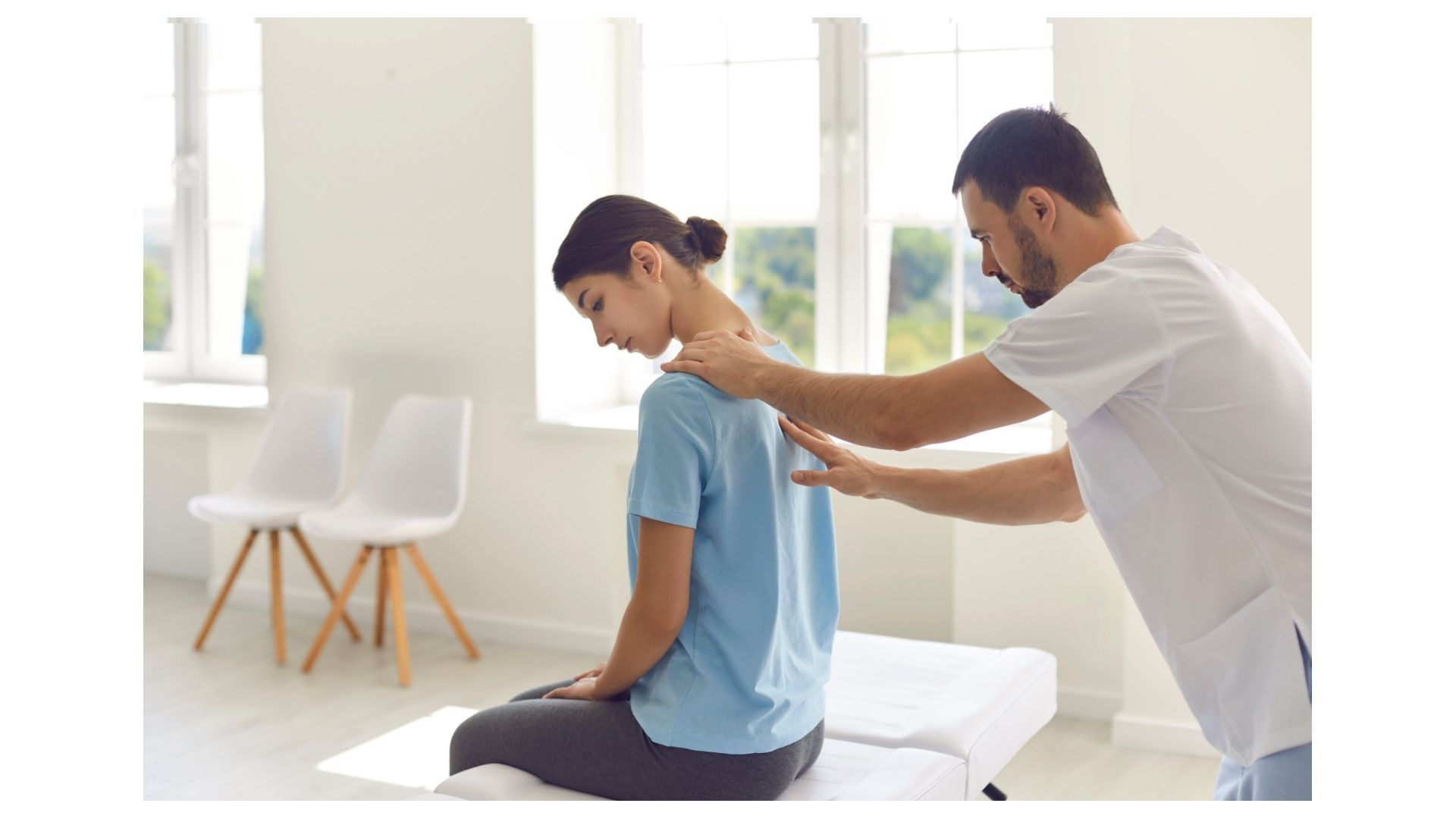
    New scoliosis patients at Stinson Chiropractic begin with a thorough evaluation that includes a postural assessment, spinal examination, and review of any existing imaging. Dr. Stinson takes time to understand the full picture — the degree and location of the curve, the patient's age and growth status if applicable, the current symptoms, and what the patient's goals are for their care. From that evaluation, he develops a personalized care plan tailored to the specific scoliotic presentation — recognizing that a twelve-year-old with a twenty-degree adolescent idiopathic curve needs a fundamentally different approach than a fifty-five-year-old with degenerative lumbar scoliosis and hip pain. Patients throughout Springdale, Tontitown, Elm Springs, Fayetteville, Rogers, and Bentonville are welcome. Same-day appointments are often available, and Stinson Chiropractic accepts most major insurance plans — call to confirm your coverage.

    Proactive Scoliosis Support in Springdale

    Scoliosis doesn't have to mean passive monitoring and hoping the curve stays stable. For families and individuals throughout Northwest Arkansas who want to actively support their spinal health — with care that's honest about what chiropractic can and can't do, and genuinely focused on improving function and comfort — Stinson Chiropractic of Springdale is here. Contact our office with any questions, or explore our wellness care options for ongoing spinal support. Call today: (479) 396-5117 📍 1071 Har-Ber Lakes Dr #2, Springdale, AR 72762 🌐 stinsonchiro.com

    Find Us in Springdale

    Original text
    Rate this translation
    Your feedback will be used to help improve Google Translate