
 Translate

Back to all posts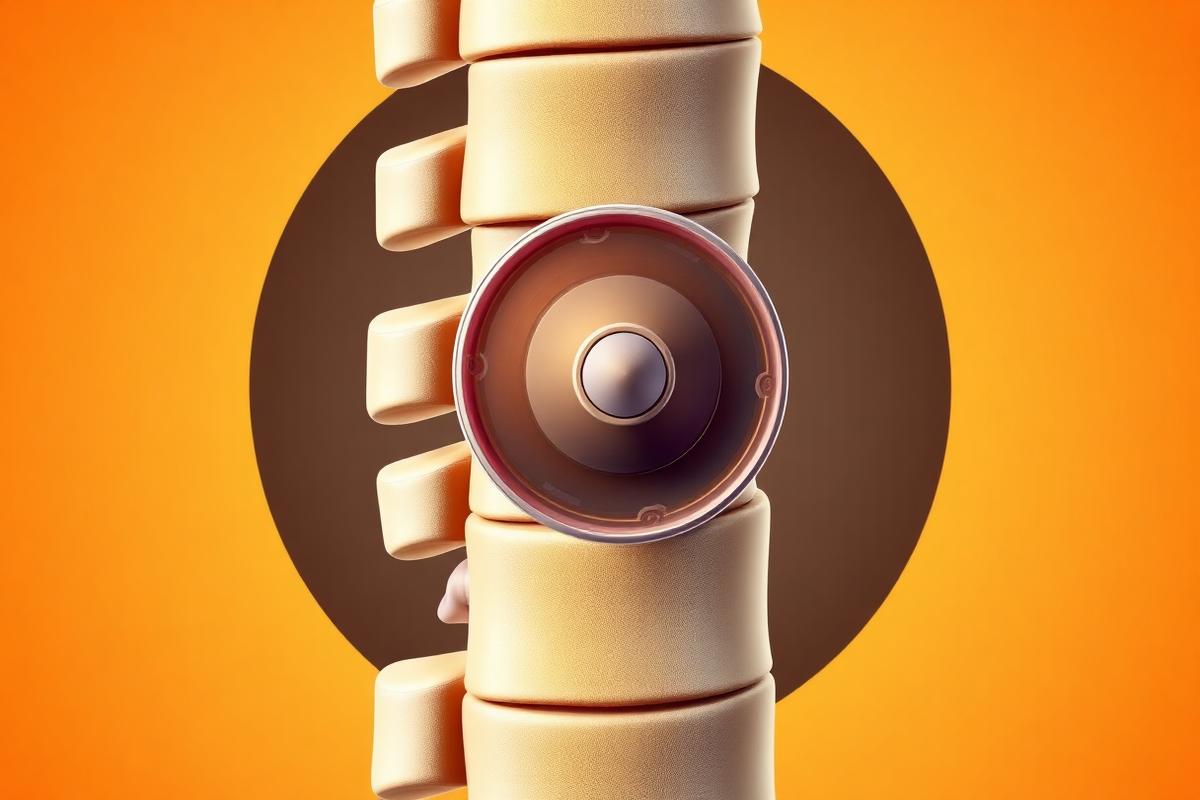
Herniated Disc Treatment in Springdale: Relief Without Surgery
If you've been told you have a herniated disc — or you're living with sharp, radiating pain that shoots down your leg or into your arm — you already know how fast this condition can take over your life. Getting out of bed hurts. Sitting at your desk hurts. Picking up your kids hurts. Many people who walk into Stinson Chiropractic in Springdale are convinced that surgery is their only option. For the overwhelming majority, it isn't. Dr. Andrew Stinson builds personalized, non-surgical treatment plans that address the root cause of disc pain — not just the symptoms. This guide explains how herniations happen, why they're so painful, and what conservative chiropractic care can realistically do for you.
What Is a Herniated Disc — and Why Does It Hurt So Much?
Your spine is made up of 24 movable vertebrae separated by intervertebral discs — rubbery cushions that absorb shock and allow your spine to bend, twist, and flex. Each disc has two layers: a tough outer ring called the annulus fibrosus and a gel-like center called the nucleus pulposus. When the outer ring weakens or cracks, the inner material can push outward. That's a herniation.
The reason it's so painful comes down to location. Your spinal canal is a tight corridor. When disc material bulges into that space, it can press directly on a nearby nerve root. In the lower back, that typically triggers sciatica — a burning, shooting pain that travels from the lower back through the buttock and down one leg, sometimes all the way to the foot. In the neck, a herniation can cause pain, tingling, and weakness that radiates into the shoulder, arm, or hand — symptoms commonly tied to neck pain patterns.
Common symptoms of a herniated disc include:
• Sharp or burning pain in the lower back or neck
• Radiating pain down one leg (sciatica) or into one arm
• Numbness or tingling in the hands or feet
• Muscle weakness in the legs or arms
• Pain that worsens with sitting, bending forward, or sneezing
What Causes Discs to Herniate?
Discs rarely herniate from one single moment. More often, it's a gradual process driven by:
Age-related degeneration. Discs naturally lose water content and elasticity over time, making the outer ring more prone to cracking under normal stress.
Repetitive mechanical strain. Jobs or hobbies that involve repeated bending, twisting, or heavy lifting put cumulative pressure on discs over months and years.
Prolonged sitting and poor posture. This is one of the most common contributors we see in patients across Springdale, Fayetteville, Rogers, and Bentonville. Sitting compresses the lumbar discs unevenly for hours at a time, and most people's workstations aren't helping matters.
Acute injury. A car accident, a hard fall, or an awkward lift can cause immediate disc herniation. Auto accident patients from Springdale and surrounding communities frequently come in with disc injuries that weren't obvious until days after the collision.
Spinal misalignment. When vertebrae are out of proper position, they distribute load unevenly across the disc surface — accelerating wear and increasing the risk of herniation over time.
Why Surgery Isn't Always the Answer
A surgical referral can feel alarming, but it helps to know the full picture. Research consistently shows that the large majority of herniated disc cases — often cited at 80–90% — improve significantly with conservative, non-surgical care given adequate time and the right treatment approach. Herniated disc material that has pushed into the spinal canal can even reabsorb naturally over the course of several months.
Surgery carries real risks: infection, anesthesia complications, and the frustrating possibility that pain continues even after a technically successful procedure. Most spine surgeons themselves recommend exhausting conservative options first for patients who don't have serious neurological deficits — such as loss of bladder or bowel control, or rapidly progressing paralysis. For the typical disc pain patient in Springdale, non-surgical chiropractic care is an evidence-supported and far less invasive first step.
When to seek urgent care: If you experience sudden loss of bladder or bowel control, or rapidly progressing weakness in both legs, seek emergency medical attention immediately. These symptoms can indicate cauda equina syndrome, a rare condition that does require urgent intervention.
How Dr. Stinson Treats Herniated Discs in Springdale
No two disc herniations are alike. A 35-year-old in a physically demanding job in Springdale with a lumbar herniation pressing on the L5 nerve has very different needs than a 52-year-old office worker from Fayetteville with cervical disc pain causing arm numbness — a presentation that often overlaps with chronic lower back pain. That's why every patient at Stinson Chiropractic starts with a thorough one-on-one evaluation with Dr. Stinson — a real conversation about your symptoms, your lifestyle, and your goals — before a single treatment begins. You can also contact our office with any questions before scheduling.
Chiropractic Adjustment
Chiropractic adjustments are the foundation of disc care at our Springdale office. By applying precise, controlled force to specific spinal segments, Dr. Stinson works to restore proper vertebral alignment and joint motion. When joints move back into better position, pressure on the surrounding disc and nerve tissue decreases, circulation to the area improves, and the body's own healing response can activate. Many patients notice meaningful pain and mobility improvement within the first several visits.
Dr. Stinson uses a range of adjustment techniques — including both traditional manual manipulation and low-force instrument-assisted methods — so even patients who are hesitant about the idea of spinal manipulation have comfortable, gentle options available.
Non-Surgical Spinal Decompression
Spinal decompression therapy uses gentle, motorized traction to create a negative pressure inside the disc space. This can encourage herniated disc material to retract away from the nerve root and draw oxygen, nutrients, and fluids back into the disc — supporting the natural repair process. Decompression is particularly effective for lumbar and cervical disc herniations, degenerative disc disease, and sciatica that hasn't responded to other conservative treatments.
Patients from Springdale, Tontitown, Elm Springs, and across Northwest Arkansas regularly see significant pain reduction after a course of decompression sessions combined with chiropractic adjustments.
Soft Tissue Therapy and Targeted Stretching
A herniated disc almost always comes with secondary muscle guarding — the surrounding muscles tighten involuntarily to protect the injured area. While that's a short-term protective response, prolonged muscle tension creates additional pain and limits healing movement. Dr. Stinson incorporates soft tissue work to release tight, guarded muscles alongside guided stretching and strengthening exercises tailored to your specific level and location of injury.
Posture and Lifestyle Coaching
For patients with desk jobs in Springdale, Rogers, and Bentonville, posture correction isn't optional — it's essential. Dr. Stinson provides practical guidance on workstation ergonomics, sleep positions, and daily movement habits that reduce disc pressure between visits and make every treatment session more effective.
What to Expect: Your Recovery Timeline
Recovery varies from person to person, but here's the general framework most disc patients move through at our Springdale practice:
Visit 1 — Consultation and Evaluation. Dr. Stinson reviews your health history, performs a thorough orthopedic and neurological exam, and discusses any imaging you've had. You'll leave with a clear understanding of what's happening and what the plan looks like.
Weeks 1–4 — Acute Relief Phase. The focus is on reducing pain and nerve irritation, calming inflammation, and beginning to restore joint mobility. Most patients experience meaningful improvement during this phase.
Weeks 4–12 — Corrective Phase. As pain decreases, the emphasis shifts to correcting the underlying spinal dysfunction that led to the injury — improving alignment, disc health, and muscle balance to reduce the risk of recurrence.
Ongoing — Wellness and Maintenance. Many patients choose periodic maintenance care to keep their spine functioning well, catch small problems before they escalate, and protect the progress they've worked hard to achieve.
Long-Term Management: Staying Pain-Free
Getting out of pain is the goal. Staying out of pain is the mission. A disc that herniated once is more vulnerable to reinjury without ongoing attention. After the acute phase resolves, Dr. Stinson works with each patient on a long-term strategy that typically includes:
• Core strengthening to stabilize and protect the lumbar spine
• Flexibility work to maintain disc hydration and spinal range of motion
• Periodic chiropractic check-ins to catch and correct early spinal stress
• Guidance on body weight, activity level, and ergonomics
• A home exercise plan you can maintain on your own between visits
The goal is to keep you doing what matters — coaching your kid's games in Springdale, staying active outdoors in Northwest Arkansas, or simply making it through a full workday without pain.
Insurance, Same-Day Appointments, and Getting Started
Stinson Chiropractic accepts many major insurance plans. Call our Springdale office at (479) 396-5117 to confirm your specific coverage before your visit. We also offer a free initial consultation so you can meet Dr. Stinson, ask questions, and understand your options before committing to anything.
We know that when disc pain flares, waiting weeks for an appointment isn't an option. Same-day appointments are frequently available for patients across Springdale, Tontitown, Elm Springs, Fayetteville, Rogers, Bentonville, and the rest of Northwest Arkansas.
Stinson Chiropractic
1071 Har-Ber Lakes Dr #2, Springdale, AR 72762
📞 (479) 396-5117
Book Online | Free Consultation
Serving Springdale, Tontitown, Elm Springs, Fayetteville, Rogers, Bentonville, and all of Northwest Arkansas.
